
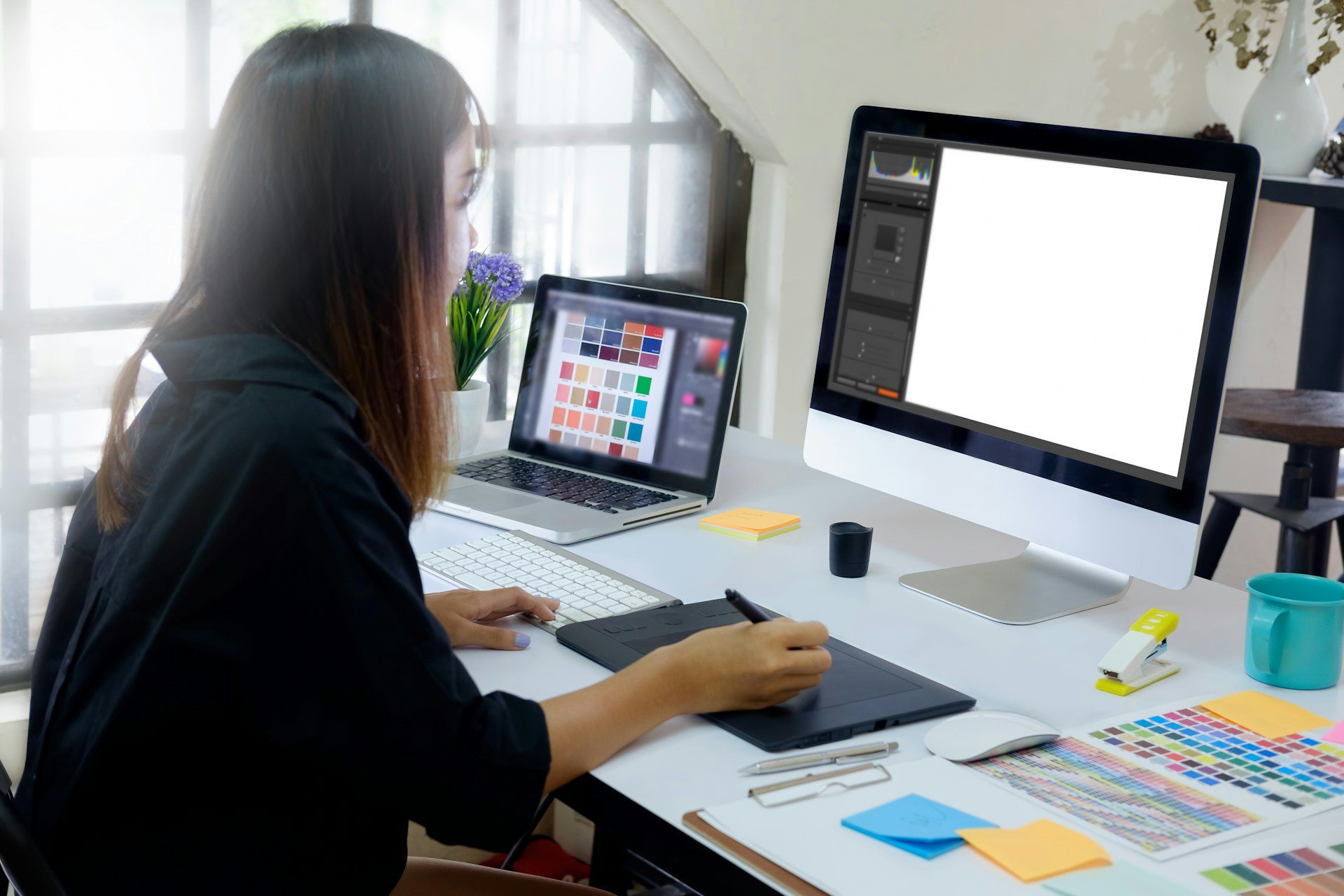
When someone’s visiting a website for the first time, they can usually tell within seconds if it’s worth staying on. A good experience keeps them engaged. A frustrating one sends them looking elsewhere. That’s why smart design isn’t just about looks; it’s about setting the stage for easy movement, clear choices, and a comfortable flow.
That’s where thoughtful website design comes into play. The goal is to make sure every part of the site works together to help people find what they came for without delay or confusion. Below, we’ll walk through the key steps that help shape a smooth, effective website experience for visitors. A seamless website experience does more than just look good on the surface; it works quietly in the background, supporting users on every page. With each element serving a clear purpose, a visitor feels less distracted and more at ease, which increases the chances that they’ll stick around to explore what the site has to offer.
Plan With the Visitor in Mind
Before typing a single line of code or outlining a sitemap, we stop and think: who’s coming to this website, and what do they need from it?
Visitors usually arrive with a goal, even if they don’t say it out loud. Whether they’re shopping, researching, booking, or just browsing, we want to make that next click obvious. Building a smooth pathway relies on understanding the visitor’s perspective at each step.
- Start by mapping a visitor’s typical path from a landing page to their goal
- Keep every step clear and direct, removing distractions or confusing paths
- Use layout choices to guide the eye and reduce hesitation
If people have to stop and think too long about where to go next, that’s a red flag. A smoother path means a better experience for everyone. Asking yourself questions during the planning phase, such as “Would a first-time visitor know what to do next?” helps ensure your site resonates with users from their initial click onward.
Keep the Look and Feel Consistent
Once the general structure is mapped out, we turn our focus to how it all looks. It matters more than people think. Too many fonts, random colors, or changing layouts between pages break the rhythm and make a website feel unpolished.
Consistency sends a message. It shows that we’ve paid attention and that visitors can count on our site to stay steady from beginning to end. Visual harmony, from navigation bars to headlines, helps build trust and confidence for returning and new visitors alike.
- Use the same set of fonts and color themes across every page
- Stick with a single design style that mirrors the brand’s tone
- Avoid overloading the layout with unnecessary design variations
The goal is to have things feel familiar even as people move to a new page. When each part of the site feels connected, visitors are more likely to trust it. Small touches, like repeated accent colors in links or callout boxes, let visitors know they’re still in the right place, no matter how deep they browse.
Make Interactions Fast and Clear
Too much friction in clicks and loading time pushes people away fast. If the page takes too long to open or buttons don’t react the way someone expects, we’ve already lost part of their attention.
This is where small cleanup work can make a big difference. We always aim for quick, predictable experiences. Even those behind-the-scenes tweaks, like compressing files or checking for broken links, contribute to a noticeably better site.
- Optimize site speed by shrinking heavy images and cleaning up outdated code
- Write calls-to-action in plain words like “Start now” or “See options”
- Check that buttons, links, and forms are easy to use and actually work
We test often since it’s the best way to catch what might be slowing people down. Every click should feel responsive and clear, not like a guessing game. When users feel their actions matter and responses are immediate, their trust grows with every page they visit.
Design for Mobile First
At this point, building for mobile feels like step one, not an afterthought. People scroll websites from their phones more often than not, and if that version doesn’t work well, they’ll leave.
We make sure the mobile version is just as smooth, if not smoother, than the desktop version. Testing layouts on different devices throughout the build helps us find challenges before the site goes live, providing a stronger experience for every user.
- Use layouts that adapt nicely to different screen sizes
- Choose text sizes and buttons that are easy to tap with fingers
- Reduce the number of things that need loading all at once
When mobile works better, everyone wins. The desktop experience often improves too during this planning, and it’s one of the easiest ways to build trust fast. Visitors who enjoy a mobile site are more likely to return, recommend the site to friends, or complete the actions we hope for, like making a purchase or filling out a form.
Use Real Feedback to Make Smarter Updates
We can make our best guess at what people want from a site, but actual visitor behavior tells the real story. Watching where people click, where they stop, or where they drop off helps shape future updates.
This doesn’t mean massive overhauls every month. Often, small updates made regularly can adjust the experience just enough to reduce frustration and keep the website aligned with what people need. Monitoring feedback helps us avoid making changes that might backfire and, instead, lets us fine-tune only the areas that show the greatest need.
- Watch patterns using heatmaps or visitor flow tools
- Find where people slow down or give up, and fix one step at a time
- Use feedback to make quiet design changes that improve usability
We check in on this often. Strong websites grow with their visitors, not ahead or behind them. Each update is an opportunity to smooth rough edges, improve what already works, and remove any lingering sources of friction.
A Better Site Experience Starts With Smart Design Steps
Every good experience online begins with thinking things through before building. From how pages connect to the way buttons behave, each detail plays a part in how someone feels as they move through a site.
Clear visuals, fast load times, and thoughtful mobile design help people stay focused. They leave feeling like their time was respected, and that makes them more likely to come back. When visitors have an easy time moving from page to page and finding what they need, they’ll view your brand more positively and are more likely to return for future visits.
Even the smallest design choices can change how someone interacts with a website. When we build with their needs in mind from the start, we’re giving them one less reason to leave. That’s how we create the kind of site that doesn’t just work, but actually feels good to use. The best websites stand out because they anticipate the visitor’s next step and make it easy to get there, guiding users at every turn.
Taking the time to assess how your website flows for visitors can lead to significant improvements in user experience. Clean layouts, fast-loading pages, and intuitive menus all make a measurable difference. Whether you’re considering small tweaks or a comprehensive redesign, we’re here to help you develop a structure that truly works. Discover how our website design services keep your site focused, simple, and user-friendly. When you’re ready to start the conversation, connect with MRN Web Designs to explore your options.