
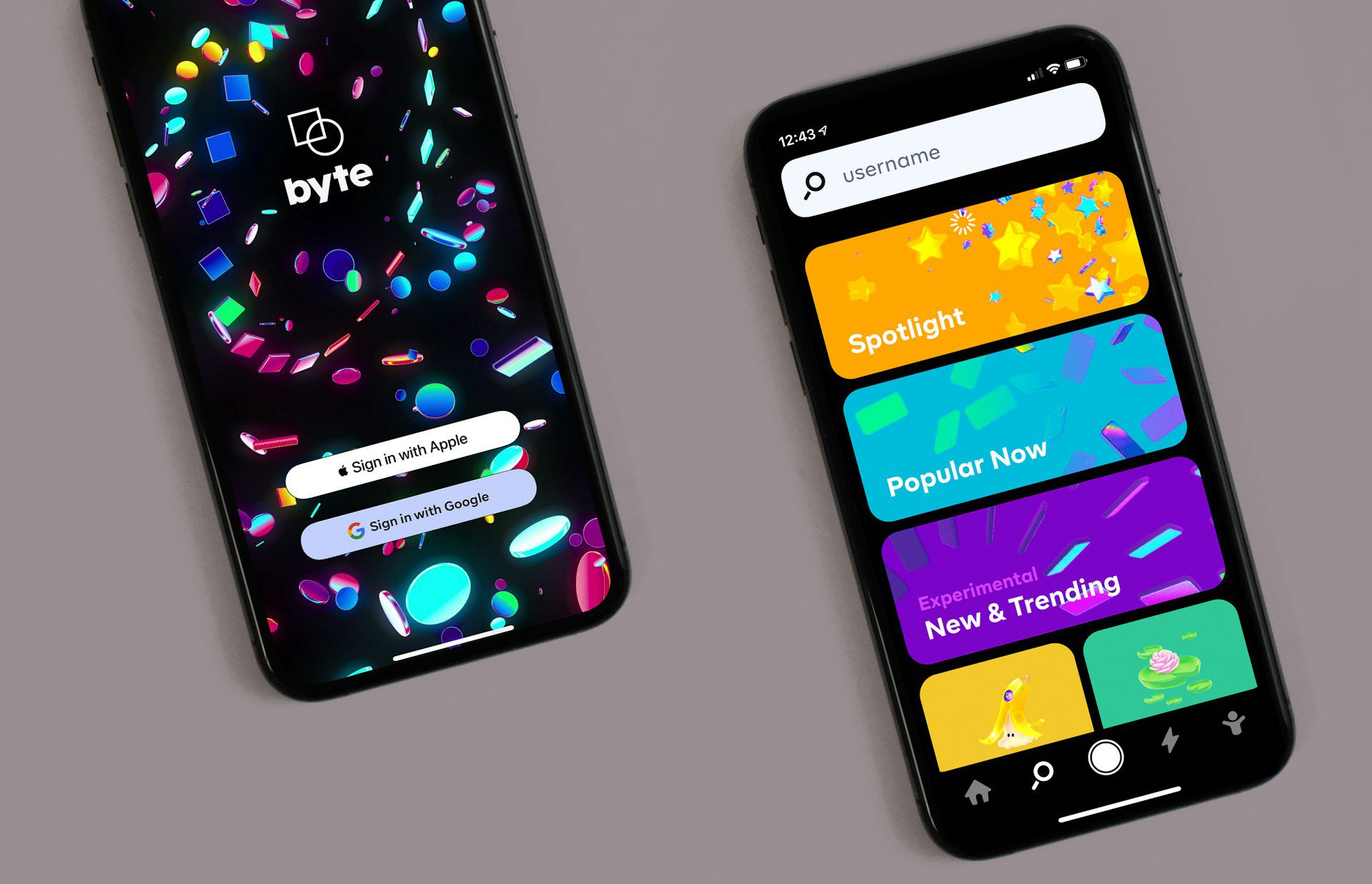
When we talk about websites looking good on phones, tablets, and desktops, we’re talking about responsive design. It means a site adjusts itself based on the device someone is using, so everything still works and looks right.
This matters more now because most people check websites from their phones, not just when they’re home, but while they’re out, between errands, or even waiting in line. If a website doesn’t load well or is hard to use on a small screen, people usually leave within seconds. That’s why we focus on responsive web design services built with mobile users in mind. A site that handles all devices well makes it easier for visitors to trust what they find and stick around longer.
Why Mobile Users Expect Better Website Experiences
Most people carry a phone with them daily. It’s their GPS, their schedule, a place to shop, and a quick way to check store hours. When someone visits a website from their phone, they expect it to just work. No pinching to zoom. No side-scrolling. No slow loading times.
- If they’re checking store hours before heading out, they want answers fast
- If a service page won’t load correctly, they’ll likely go try another website
- If menu buttons don’t work or text is too small, the site feels broken
When a mobile experience feels smooth, it gives people confidence. It tells them the business on the other side of the screen is paying attention. Trust starts with small things, like a page that loads properly and links that go exactly where someone expects.
How Responsive Design Works Behind the Scenes
Responsive design lets one website fit many devices. Instead of having a separate version for a phone and another for a laptop, a responsive site reshapes itself depending on screen size.
- If someone logs in from a tablet, the layout rearranges to fit that size
- If someone rotates their phone sideways, the page adjusts instantly
- No extra effort is needed for each new device type
That kind of flexibility makes everyday work easier too. Updates only need to be made once. If we change the hours on one page, it changes for everyone, whether they see it on a desktop or a phone. Responsive web design services help keep things consistent and reduce the time spent making updates in multiple places.
MRN Web Designs creates mobile-ready websites that adjust automatically for any phone, tablet, or desktop. We use leading responsive frameworks as part of every custom design project, so layouts, images, and contact forms always display correctly for customers around Cary and Raleigh.
Key Benefits for Local Businesses in North Carolina
In places like Cary and Raleigh, a lot of people rely on their phones to search for businesses nearby. Whether they’re looking for a web designer, a local coffee shop, or a weekend repair service, most searches start on mobile.
- A responsive site makes it easy for customers to find directions, contact info, or service details
- When everything loads correctly the first time, people stick around longer
- It helps a small business look more professional without needing twice the work
Let’s say someone near downtown Cary is looking for help with renovating their kitchen. If one site loads slowly or doesn’t show full photos, they’re going to exit fast. A responsive setup keeps everything clear on any screen, which gives businesses a better shot at earning that visitor’s trust.
Responsive websites do more than just make things look good, they make things easier behind the scenes for business owners. With a single website that works across all devices, daily website management becomes simpler and less time-consuming. Updates, notifications, and changes can be made one time and viewed everywhere, reducing confusion and allowing small business owners to focus on other priorities. This approach also supports future growth, since a responsive foundation means the site can handle new devices as they come out.
What Happens When a Website Isn’t Mobile-Friendly
We’ve all landed on sites that immediately feel off, nothing fits the screen, buttons overlap, or contact info is impossible to find. That’s what a non-responsive experience often looks like.
- Users have to zoom, scroll oddly, or give up
- Forms may not load, or menus may be hidden
- Broken layout makes people think the service itself isn’t polished
Even if the business is excellent, a clunky website makes it feel outdated or hard to reach. Visitors start to think another company is easier to work with just because their website loads quicker or fits better on a phone screen. That small difference can be the reason someone picks one business over another.
Problems with non-mobile websites aren’t just an inconvenience. They can affect search rankings, reduce conversion rates, and damage customer trust. If a visitor can’t use your contact form or quickly find your address, you might lose their business completely. Investing in a site that always loads well on mobile devices is a practical way to stay ahead of these issues.
Why Responsive Web Design Services Save Time in the Long Run
Responsive design isn’t just good for visitors. It helps businesses too. Updating one version of a website and having it work everywhere is faster and less stressful.
- You don’t need to tweak separate mobile and desktop versions
- Changes apply across devices, so branding stays consistent
- You spend less time fixing layout issues as devices change
Think about how often devices get new sizes, from compact phones to huge desktop monitors. A responsive website keeps up without starting over every time a new screen type comes out. That saves time and keeps everything looking fresh across the board.
Having a single, adaptable website also makes teams more efficient. It’s easier to train staff on one editing system and to coordinate updates across different teams. Business owners can ensure their message and branding stay consistent for everyone, regardless of how their audience finds them. As more people browse on mobile, handling everything from one dashboard is a big benefit.
Stay Connected with Visitors Anytime, Anywhere
People search online from all kinds of locations, during lunch breaks, in parking lots, or waiting for appointments. If your website is ready for that, you’re more likely to be seen and remembered.
- Visitors can quickly find what they need, even if they’re on a busy schedule
- They’re more likely to stay longer when the site is easy to read and use
- Whether it’s answering questions or showing off recent work, your website should support every kind of browsing session
Staying connected with customers means your website needs to be able to handle any situation or device. Mobile users expect information without hassle, whether they’re on Wi-Fi or using data, on a small screen or a large monitor. Responsive websites make sure your content is always in reach, making it less likely that customers get frustrated or leave. This kind of readiness supports everything from new customer inquiries to returning buyers looking to place another order.
More people will be reaching for their phones as winter slows down and spring businesses start planning again. Having a flexible, mobile-ready site is one way to stay visible, helpful, and ready for whatever devices come next. Making small improvements to how your site responds can pay off every day someone taps that first link.
Responsive Design, Real Results
Your website should work seamlessly for everyone, whether they’re at their desk or browsing on the go. We design with flexibility at the core, ensuring your site stays clean, quick, and easy to use anywhere. Our approach to responsive web design services streamlines content management and helps your audience connect with you faster. At MRN Web Designs, we’re ready to make your website perform at its best on every screen. Reach out to get started.