When your business needs a new website, one of the biggest decisions you’ll face is who’s going to build it. A local web designer can often offer advantages that go well beyond technical skill. They understand nearby audiences, design preferences that fit the area, and what your business might need throughout the year.
Working with someone nearby can make the experience feel more human, more like a conversation than a transaction. You’ll know what’s getting built and why. In this post, we’ll walk through why hiring local makes sense and what you can expect once you start the process.
What Local Means for Your Website
A designer near your location does more than add your address to the footer. They bring a level of awareness that helps connect you with real customers in your community. Style, tone, and design often shift from place to place, and those small details can influence how people interact with your site.
- A local designer usually knows what visuals and language make sense in your area. For example, a business in Raleigh might look different online than one in Asheville.
- Calls to action, blog topics, and featured content work better when tied to familiar habits or events. Mentioning a local festival or adjusting store hours for winter weather shows that the site is truly “yours.”
- Even image selection matters. Showing streets, weather patterns, or scenery people recognize helps visitors trust that you’re real, nearby, and ready for business.
A website is more than pixels. It’s a reflection of where and how you do business every day.
A local web designer is also likely familiar with the challenges businesses in your region might face, such as local competitors, seasonal trends, or specific customer preferences. This understanding often leads to websites that feel lively and relevant. Rather than simply putting your business information online, a local designer is aware of real-world context and can help ensure your site stays current with evolving community interests.
Proof You’re Getting the Right Fit
It helps to know what a good process looks like. A local designer should make the steps clear from the start. Good communication is one of the most important proof points. You should be able to ask questions and get plain answers, without chasing anyone down.
Here’s what to look for along the way:
- They walk you through their planning steps before writing a single line of code.
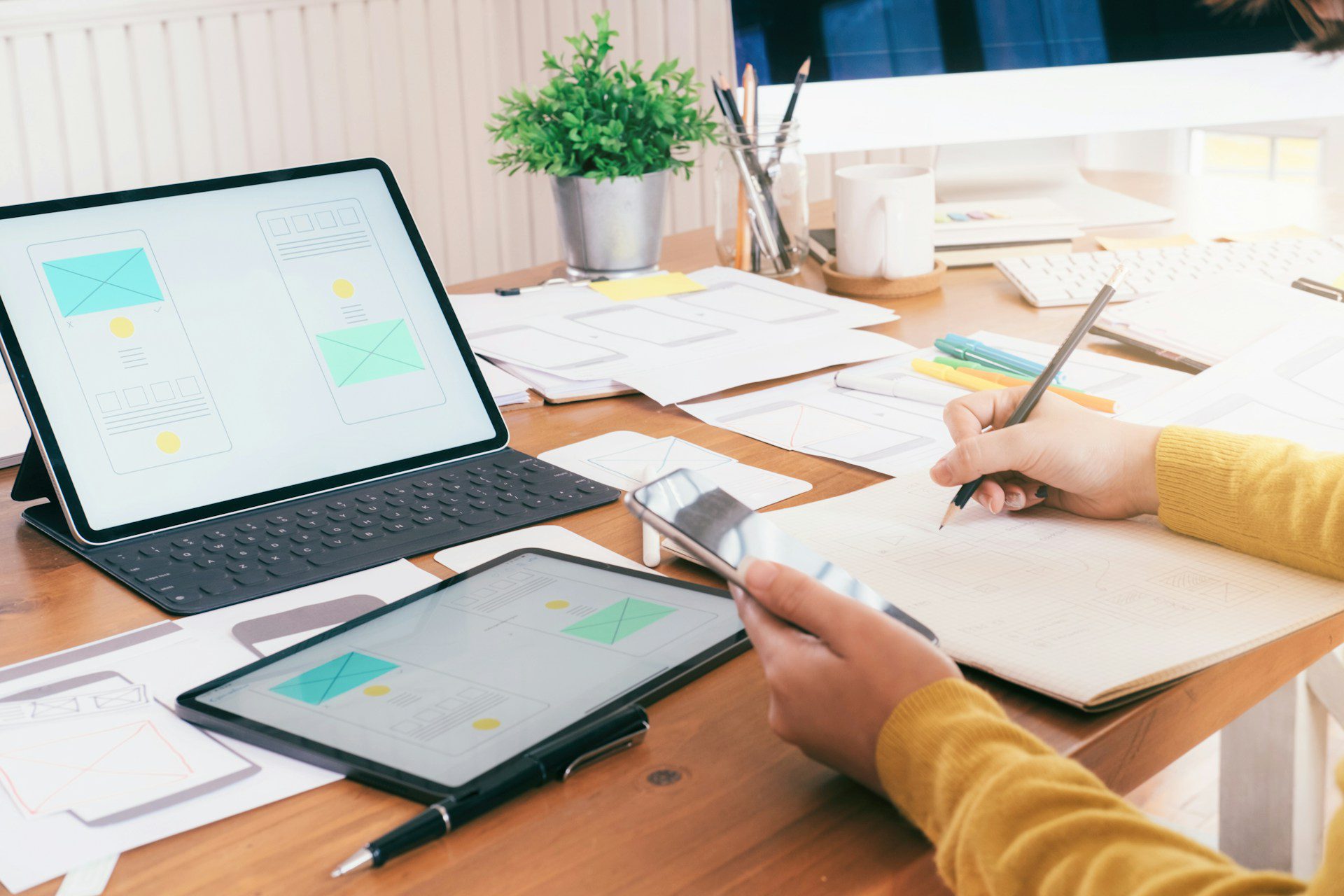
- Clear mockups or early drafts let you weigh in before anything becomes final.
- They offer revision rounds rather than locking everything on the first try.
If they’ve worked with other businesses nearby, that’s even better. You might be able to look at past examples or hear how the project went. It’s a signal that they can deliver on time and stay flexible when needed.
When something needs to be changed fast, a move, a price shift, bad weather, it’s helpful to have someone close by who can hop on a quick call or set up a meeting if needed.
Working with a local designer also means it’s easier to clarify expectations early. If you want a certain look or user experience, sharing examples or discussing ideas is often more effective face-to-face or during a phone conversation. Details are less likely to be misunderstood, and feedback can be addressed promptly rather than being delayed by time zones or language differences.
The Website Process (Without the Confusion)
Once you decide to hire a local web designer, it helps to know the process from start to finish. A good project won’t feel mysterious. Each phase has a purpose, and you should get updates without having to ask.
Here’s how things often go:
1. Kickoff or discovery: You talk through your goals, what your business offers, and any problems with your current site. This lays the groundwork.
2. Content planning: Some designers ask you to send text and pictures. Others help shape that content, but either way, this step comes before layout.
3. Design drafts: You review a preview of what the site will look like, colors, pages, layout, before anything gets built.
4. Development: Once you approve the design, they build the working version of your site.
5. Testing and feedback: You check to make sure everything is working and looks good before going live.
6. Launch: The site goes live, and people can visit it online.
Most websites go through minor adjustments after launch. Maybe a headline needs to change, or a form gets tweaked. A local designer should explain how these changes get handled and what’s included after the site is published.
Throughout this process, communication is important. Local designers are often able to offer updates in real time, whether it’s a call to discuss feedback or a quick meeting to look over revisions. These interactions keep the project on pace and help avoid the confusion that sometimes arises with remote teams.
After launch, small tweaks are generally easier to manage with someone in your area, too. Quick fixes and timely updates often keep your site fresh and functioning. If you’re planning a last-minute promotion, need to update your menu, or want to announce events, working with a local designer means you’re more likely to get fast responses, especially when it’s time sensitive for your business.
Red Flags to Watch For
Not every situation goes smoothly, and spotting trouble early can save time and money. There are certain habits or patterns that suggest the fit might be off.
- Estimates that feel rushed or lack detail can lead to misunderstandings later. Make sure the scope of the project is clearly laid out.
- If a designer offers a generic plan that doesn’t match your business goals, pause and ask questions.
- Lack of a written timeline or agreement is another warning sign. A contract, even a simple one, helps both sides stay on track.
Your website should support your work, not create stress. If you’re asked to pay before seeing a plan or don’t get clear answers about who to contact during the build, those are things worth thinking carefully about.
Clear communication is not just nice to have, it’s essential. If something seems unclear or a timeline keeps changing without reason, those are things to address early. Trust between you and your designer ensures a smoother experience from start to finish.
Knowing what to expect (and what to avoid) in the process helps build trust and prevents surprises. Take the time to read through contracts, track update schedules, and set expectations around revisions and support before moving forward.
Why Ongoing Support Matters After Launch
The site going live doesn’t mean the work is done. Business needs shift, holidays come up, and sometimes small edits are just part of running things. That’s where having a local partner really matters.
- A local web designer can make seasonal updates that matter in your area. Whether it’s posting about spring events or updating snow day closures in February, someone nearby knows what’s timely.
- Fast help matters when problems pop up. A link breaks, a phone number changes, or you want to add a new offer. Small changes handled quickly make a big difference.
- Over time, your website needs to stay useful. That includes cleaning up dated content or adding new tech features.
When the person managing your site understands your business and your schedule, support starts to feel like a working relationship, not a one-time favor.
Besides keeping the website current, ongoing support can include adding new features, making sure security updates are handled, or providing basic tech help if something breaks. Having someone familiar with your site and your business ensures that help is just a call or an email away. This kind of help, especially right after launch or during busy seasons, gives you confidence that your site will keep performing.
A productive, ongoing partnership with your web designer means you’re not starting from scratch each time something changes. Updates are smoother, and the person working on your site already knows the details that matter most to your business and the local community.
A Website That Reflects Your Business and Community
Working with a designer who understands your area means your website reflects more than what you sell. It reflects who you serve. A site built with local knowledge can feel more connected, and that builds trust with visitors who are already nearby.
It’s not just about colors or fonts. It’s about how the site feels when someone reaches it. Familiar words, local images, and helpful updates show that your business is paying attention. That kind of design doesn’t just look good, it shows people they’re in the right place.
At MRN Web Designs, we understand the value of working with a local web designer who communicates in both web language and everyday business terms. Partnering locally ensures your site captures your unique style and connects with your customers all year long. Whether you need quick content updates or want to prepare for upcoming seasons, having a local point of contact streamlines changes and adds reliability. Ready for a website that truly reflects your business? Start the conversation with us by reaching out through our contact page.