
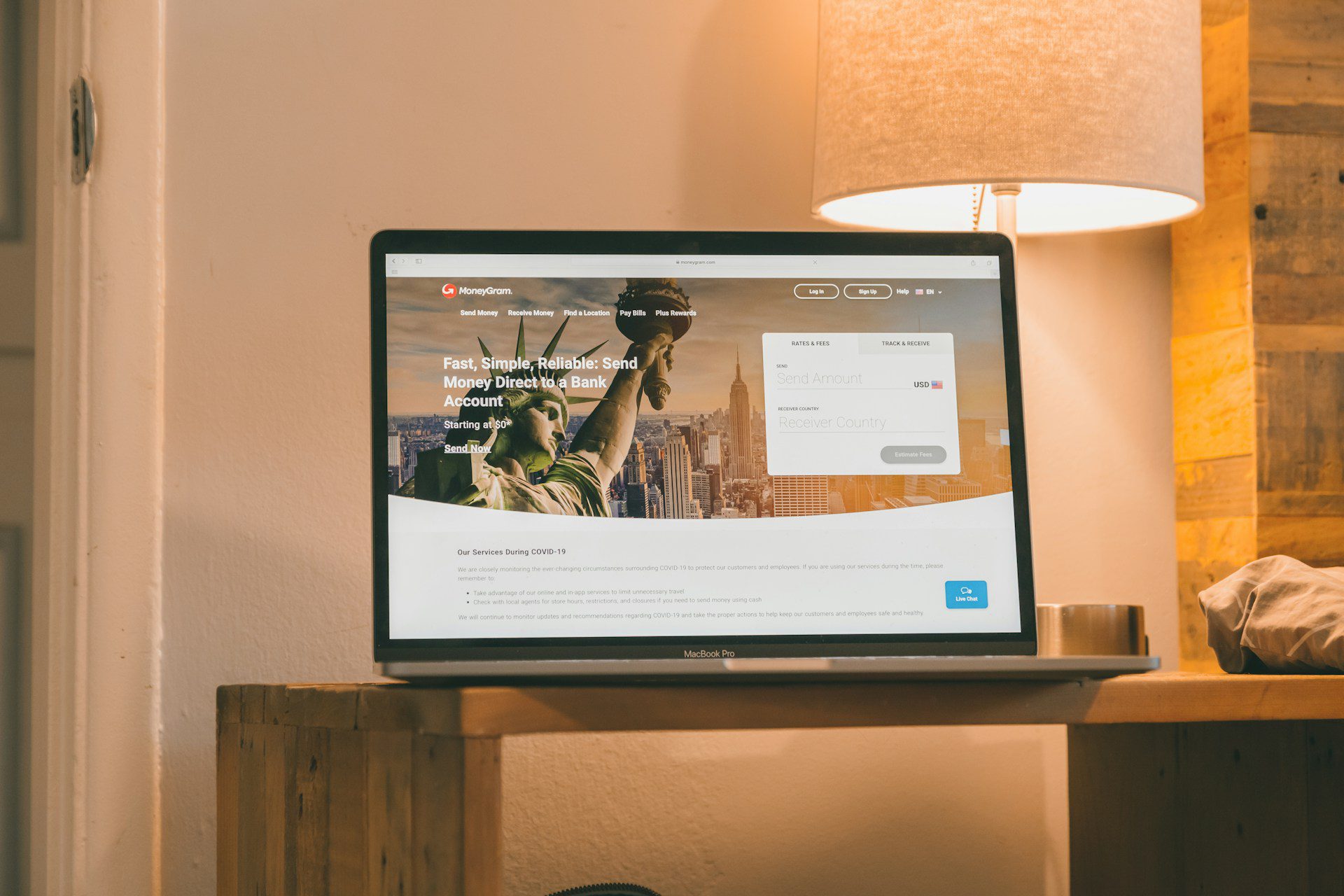
It can feel like everyone is building online stores these days, but what works now isn’t the same as it was even a couple of years ago. People expect more from websites. They’re not just looking to buy, they’re looking for simplicity, speed, and trust. Ecommerce website development helps store owners create a space that works on both sides of the screen. It’s not just about selling products, it’s about making the entire experience smoother for everyone.
Getting things right from the beginning helps more than we probably realize. A few smart steps early on can save time and avoid some headaches later. We’re going to walk through what to think about before launching. Whether you’re moving from a physical shop or starting from scratch, being clear about what your site does and how it works is the first step to getting it right.
Planning What You Want Your Website to Do
Starting with a plan sounds simple, but it’s the part that often gets skipped. Before anything goes online, we need to figure out what the store is really offering. That means listing out what kinds of products or services will be sold. Will the site handle physical goods, digital items, or bookings? That one decision affects a lot of the structure behind the scenes.
Once we know what we’re selling, it helps to map out how customers will move through the website. Think about what they’ll see first, what convinces them to click, and how easy it is to check out. If someone can’t find what they want within a few clicks, there’s a good chance they’ll leave.
Many store owners also want to be able to make their own changes, whether it’s adding products or updating a banner. That means choosing systems that don’t require a lot of background knowledge. Others may want the site to connect with tools they already use, like shipping apps or bookkeeping software. Knowing these priorities ahead of time makes the rest of the project easier.
Picking the Right Platform and Features
There’s no one-size-fits-all option when it comes to ecommerce platforms. Some are built for speed and simplicity, while others offer more advanced control. What we pick often depends on how big the store is, how often things will change, and how much technical support is needed over time.
We also look at the features baked into the platform. Can it accept different types of payments? Is the design responsive on both phones and desktops? Does it offer inventory tracking or low stock alerts? These things might sound small, but they build the backbone of a working online store.
Starting with what the business really needs, not just every shiny option, can help avoid overwhelm. More features don’t always mean more value. Sometimes keeping things simple makes it easier to grow later.
MRN Web Designs builds ecommerce stores that use secure payment integration and inventory management tools, all with a focus on current mobile shopping needs. Our team creates sites using open-source platforms like WordPress or WooCommerce, allowing business owners to update products or promotions easily with ongoing support.
Building for the Customer Experience
A website might look great on a big screen, but most shoppers are using phones or tablets. Pages need to load quickly, and buttons need to work without zooming in or getting lost in menus. Keeping the layout simple helps visitors focus on what matters instead of feeling distracted or stuck.
Small decisions, like which images we use or how the colors match the product’s style, can shape trust fast. Shoppers want to see clear pictures, read helpful descriptions, and get a feel for what makes a product worth buying. Anything that adds friction may cost us the sale.
It’s easy for us to build from our own perspective. We’ve seen the back-end, we know the details. But it helps to look at it from customers’ eyes. What questions would they have? Where would they scroll first? What would make them quit halfway through? Thinking like a shopper helps create a site that’s easy to use, not just nice to look at.
Setting Up Pages That Sell Without Pressure
Each page plays its own role. The homepage sets the tone, so it should quickly explain what’s offered and what to do next. Product pages carry the weight, so they need to include enough info without making people work for it. Contact and about pages show who’s behind the store, which can help build confidence.
- Keep homepage headlines clear and short
- Use categories and menus that make sense without guessing
- Make contact details easy to find, no matter which page you’re on
FAQs, customer reviews, or comparison charts can help people decide without needing to call or chat support. The checkout should move fast. Fewer clicks make it easier to reach the finish line. Clear buttons help too. People don’t like to guess where to go next.
If we pay attention to the way pages look and how they lead people through the store, we don’t have to rely on popups or pushes. The site becomes a quiet helper, not a loud salesman.
Getting Ready for Launch and What Comes Next
Before opening the digital doors, we need to test the site on different devices. Something that works on a laptop might break on a mobile screen. It helps to walk through it like a shopper, clicking through links, filling out forms, and going through checkout step-by-step.
Launching to a small group first, trusted customers, friends, or teammates, can catch problems early. They can point out questions or confusion we might not have noticed.
Once the site goes live, it’s not finished. Products shift. Seasons change. Having a plan for updates helps keep things fresh. Over time, we want search engines to show our site when someone’s looking for our kind of work. So, the way we write page titles, descriptions, and image info starts to matter for visibility.
If we’ve built it well, we don’t need to chase every trend. A solid platform, smart structure, and clear pages will keep working in the background long after launch day.
A Strong Start Builds Long-Term Value
Good ecommerce website development helps make the online store just as thoughtful as the offline workspace. It shouldn’t feel like a side project. It should feel like part of how business gets done, quietly helping, quietly growing.
When the foundation is clear and tools work the way we expect, it saves time, lowers stress, and actually supports the way we want to run the store. Getting started the right way isn’t about perfection. It’s about being organized, intentional, and ready for what comes next.
At MRN Web Designs, we understand the planning and decisions involved in creating an online store that fits your needs. The right setup influences every step from selecting the best tools to ensuring smooth updates. Whether you want a brand new store or are looking to improve your current one, our team can help you prioritize what matters most. Discover how our approach to ecommerce website development makes daily operations easier, and contact us to discuss your goals and next steps.